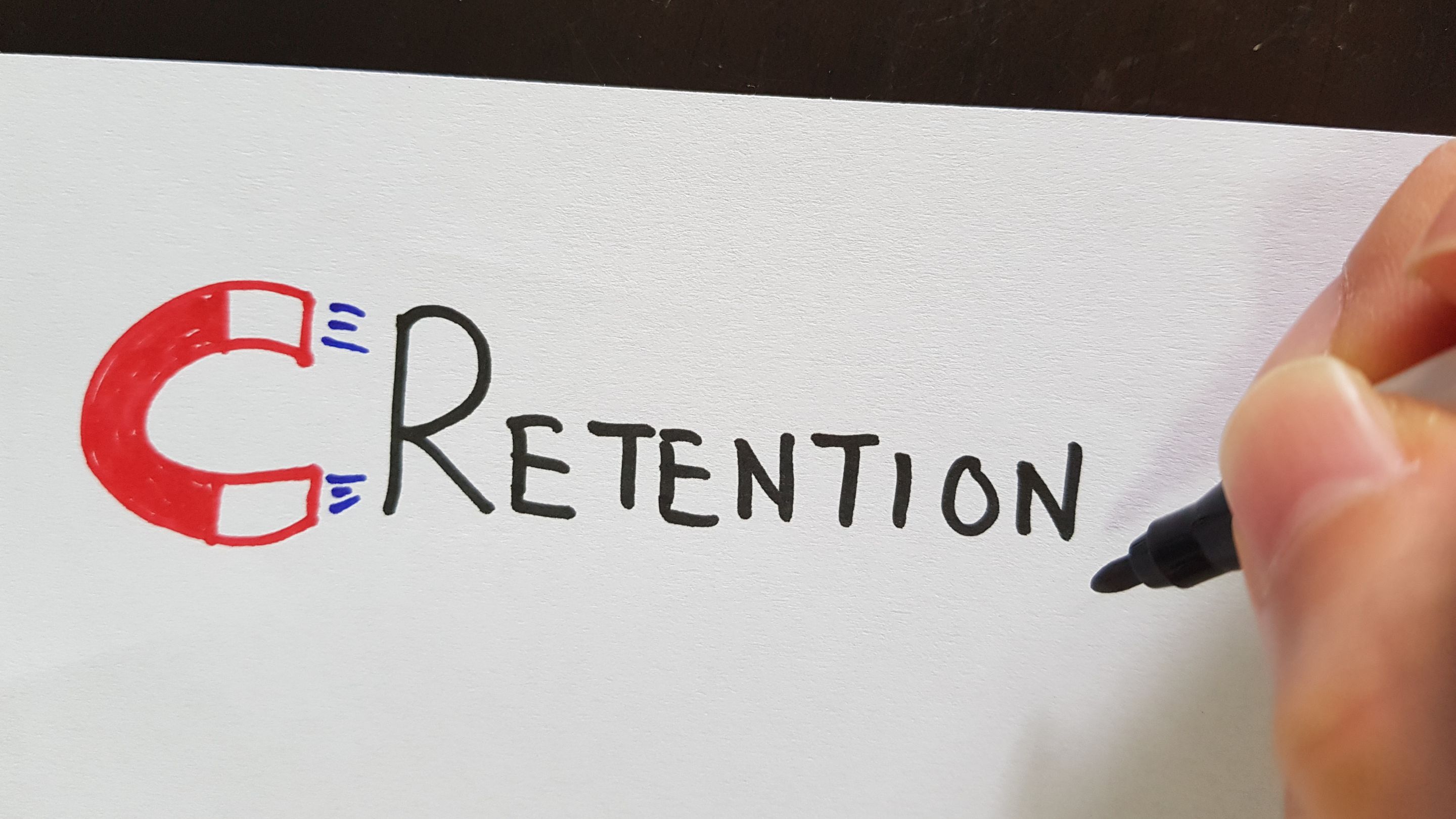
The cost of losing a good member of staff is something most retail owners significantly underestimate. When you factor in recruitment time, induction, training, the productivity gap while a new person gets up to speed, and the impact on team morale — losing one experienced person can cost you the equivalent of three to six months of their salary. In a tight-margin business, that's serious money.
And yet retention rarely gets the strategic attention it deserves. Owners invest in refrigeration, in shopfits, in marketing. They rarely sit down and think deliberately about what keeps good people in their business.
Why People Leave
In my experience, people rarely leave retail jobs because of pay alone. Pay matters — and in today's market, you need to be competitive — but when I ask people why they moved on, the answers are almost always about something else. They didn't feel valued. They didn't see a future. They had a difficult manager and nobody did anything about it. They were given more responsibility without more recognition. They were bored.
Understanding why your people leave starts with actually talking to them. Exit interviews are valuable, but by the time someone is handing in their notice the conversation is often too late. The better intelligence comes from regular, genuine check-ins with your team — not a formal appraisal once a year, but a real conversation every few weeks about how they're finding things.
"People don't leave jobs. They leave managers, they leave cultures, they leave places that make them feel invisible."
What Retention Actually Looks Like in Practice
The stores with the lowest turnover I've visited over the years share a few consistent characteristics. Their managers know their staff — not just their names and rotas, but their situations, their ambitions, what they're good at and what they find difficult. There's a culture of recognition that goes beyond the annual Christmas bonus. And there's a clear sense that good work is noticed and rewarded over time.
In practical terms, this means:
- Regular one-to-ones — not formal appraisals but brief, consistent check-ins that give people a voice
- Public recognition — acknowledging good work in front of peers, not just in private
- Career conversations — talking to people about where they want to go and how you can help them get there
- Meaningful training — investment in people's development that makes them better at their job and signals that you believe in them
- Fair and consistent management — treating all team members equitably, addressing performance issues early and professionally
The Role of the Physical Environment
Don't underestimate how much the physical environment affects morale. A clean, well-maintained staffroom, a functioning locker, a break schedule that's actually respected — these things signal to your team that you value them as people, not just as labour hours.
I've walked into stores where the back-of-house is completely at odds with the front-of-house. Beautiful customer areas, but a staffroom with a broken kettle and a rota pinned to the wall with no transparency. The message that sends to staff is stark: the customer matters, but you don't.
Building a Retention Culture
Retention is ultimately a cultural issue, and culture starts at the top. If you want people to stay, you need to build an environment where staying feels like the right choice — where people feel safe, valued, challenged and part of something worth being part of.
That doesn't require a HR department or a formal engagement programme. It requires consistent, human leadership from the person at the top. It requires noticing people. It requires saying thank you in a way that feels genuine. And it requires taking action when someone raises an issue rather than filing it away and hoping it resolves itself.
In today's labour market, the stores that retain good people have a genuine competitive advantage. Lower training costs, higher productivity, better customer experience, stronger team culture. It compounds over time. And it starts with deciding that your people are worth investing in.
"If any of this resonates, let's have a conversation about your business."
Talk to Mairtín →